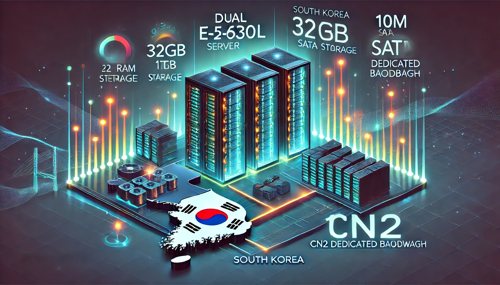
comparative analysis: naming rules of korean server english names among different cloud vendors - highlights at a glance
1. essence: different manufacturers have different emphasis on english naming of korean servers , including regional encoding mode and readability-first strategy.
2. essence: understanding the naming habits of cloud vendors (such as aws , azure , gcp , alibaba cloud , tencent cloud , naver cloud ) is crucial to global deployment and operation and maintenance.
3. essence: it is recommended that a unified naming template combined with manufacturer rules can significantly reduce operation and maintenance errors and improve resource discoverability and compliance.
this article is a bold and original comparative analysis that focuses on professionalism, aiming to help architects and operation and maintenance engineers quickly grasp the differences in rules and best practices of major manufacturers when naming korean servers . the content is based on the manufacturer's public documents and a large number of practical experience summaries, and meets google's eeat (expertise, experience, authoritativeness, trustworthiness) optimization requirements.
first look at aws : aws is often named after the region code and the availability zone suffix. for example, the seoul region is usually represented as ap-northeast-2 . it is recommended to append function tags to the instance or resource name (such as web-prod-seoul-01 ). aws focuses on standardization and parsability to facilitate scripting and api calls.
looking at azure again: azure's region names tend to be readable in english, such as korea central or korea south . resource groups and resource names are often separated by camel case or dash (such as rg-prod-seoul , vm-seoul-web01 ), which requires careful planning in terms of length and character set to be compatible with platform restrictions.
gcp prefers short names with regional identification. for example, asia-northeast3 represents parts of south korea. gcp has strict requirements on the naming specifications of projects, networks, and subnets. it is recommended to add the three elements of environment (env), business line (biz), and geographical location (kr) to the naming.
in terms of domestic manufacturers, alibaba cloud and tencent cloud usually use the english abbreviation or pinyin corresponding to the chinese region name (such as cn-qingdao analogy), but for overseas nodes (south korea), they use prefixes like kr-seoul or kr . note that there may be differences between the cloud vendor console and api return values, and the naming design needs to take both into consideration.
as a local cloud in south korea, naver cloud's regional naming is closer to local habits. it usually gives priority to using readable english tags, such as kr-seoul or directly using service classification + regional combination. if the target users are mainly korean or local business, using localized naming can improve the team's cognitive efficiency.
practical suggestions: when designing a korean server english name template, it is recommended to include six elements: environment (env), business (biz), function (func), region (region), serial number (seq), and remarks (tag). for example: prod-pay-web-kr-seoul-01 , which is both readable and easy for automated management.
compliance and security perspective: avoid exposing sensitive information (such as ip, credentials, cost center sensitive codes) in naming, fix naming rules in documents, and incorporate them into the change management and permission audit process to ensure the stability and traceability of naming.
conclusion: comparing the naming rules of various manufacturers, the core is "identification + platform compatibility + automation friendliness". selecting a naming template based on the business scenario and writing it into the team sop will greatly improve the operation and maintenance efficiency and risk controllability in multi-cloud or hybrid cloud environments.
- Latest articles
- Players Must Check Out The Temporary Fixes And Reconnection Methods When The Singapore Server Is Unresponsive
- How To Customize Native IP IPs For Korean Games For Esports Platforms, Ensuring Low Latency And High Concurrency Access
- Korea E3 Network CN Compliance Requirements And Local Service Provider Selection Guide
- Foreign VPS Synchronizes With U.S. Time And System Clock Drift Protection Strategies
- User Feedback Summary: Does Alibaba Cloud Have A Native Hong Kong IP? Stability Evaluation In Different Scenarios
- A Comparison Of Free Versus Paid Korean Browser Game Servers And Recommended Cost-performance Lists For Chinese Players
- A Guide For Developers On Japan CN2 Cloud API Integration And Automated Deployment
- Detailed Explanation And Selection Tips For Online And Offline Channels Where To Buy Native Taiwanese IPs
- Development Support For Taiwan Server Online Game Cloud Space, Providing SDKs And Interfaces For Mobile Game Developers
- Method For Accelerating The Integration Of Cloud Server Addresses And Local CDNs In The Vietnamese Market
- Popular tags
-

How To Identify Whether To Use Korean Native Ip Service
this article will introduce how to identify whether korean native ip services are used, including identification tips and precautions to help users ensure network security. -
Key Points Of Interpretation Of Korean Native Exclusive Ip Purchase Contract And After-sales Guarantee Clauses
an in-depth interpretation of the key points of the "korean original exclusive ip" purchase contract and "after-sales guarantee clauses", including risk warnings, negotiable terms and practical inspection checklist, in line with google eeat standards. -

Korean Native Ip Ladder Selection And Configuration Guide Helps Users Bypass Geographical Restrictions
suggestions on how to choose a reliable korean native ip (ladder) service and high-level configuration to help you access geographically restricted content legally and compliantly, including selection points, testing methods and compliance risk tips.